
ADVANCED PROGRAM MASTERY
A Course by Dr. Tony Boutagy
A Course by Dr. Tony Boutagy
Master the Science and Art
of Program Design
This is the course where everything comes together.
Advanced Program Mastery teaches you how to design, implement, and evaluate advanced training programs — combining periodisation, overload systems, and recovery management into one complete, real-world system.
Evidence-based education, trusted by 50,000+ coaches and lifters.

WHO THIS COURSE IS FOR
 For Coaches
You already understand the basics of programming but want to move beyond templates and theory.
This course gives you the tools to design advanced programs that drive performance, adapt to individual needs, and deliver measurable results — every time.
 For Experienced Lifters & Fitness Enthusiasts
You've followed plenty of programs.
Now it's time to understand how to build them.
Learn how to plan long-term progressions, integrate multiple training goals, and design systems that keep you improving year after year.
Whether you're guiding others or training for your own goals, this course gives you the insight to think, plan, and program like a professional.
WHAT YOU'LL LEARN
By the end of this course, you'll:
01
 UNDERSTAND
The science of periodisation and how to structure short- and long-term training plans
02
 LEARN
LEARN
How to apply overload methods to develop strength, power, and hypertrophy
03
 BALANCE
Training intensity, volume, and recovery to prevent burnout and stagnation
04
 DESIGN
Effective mesocycles and microcycles for different training goals and experience levels
05
 DEVELOP
The confidence to create and refine programs based on real progress — for yourself and those you train
01
UNDERSTAND
The science of periodisation and how to structure short- and long-term training plans
02

LEARN
How to apply overload methods to develop strength, power, and hypertrophy
03

BALANCE
Training intensity, volume, and recovery to prevent burnout and stagnation
04

DESIGN
Effective mesocycles and microcycles for different training goals and experience levels
05

DEVELOP
The confidence to create and refine programs based on real progress — for yourself and those you train
Curriculum
INSIDE THE COURSE
Module 01
Foundations of Program Design & Adaptation
Learn the core framework Tony uses to build programs that actually progress over months and years — starting with a clear decision-making tree (goal, frequency, split, priority) and the logic of sequencing blocks so each phase sets up the next.
You’ll also cover how to avoid common program imbalances by categorising muscle groups and movement patterns properly.
Module 02
Nutrition for Strength & Muscle Gain: Energy Targets That Work
Cut through the noise and learn the nutrition principles that actually drive body composition outcomes — with a focus on energy balance, macronutrients, and “energy availability” so you can set targets that support performance and hypertrophy (not guesswork). Practical models and examples included
Module 03
GPP Programming: Training Splits, Work Capacity & Progression
Build the “base” properly: higher-rep, higher-frequency training that teaches lifting skill, improves structural balance, and increases work capacity before advanced methods are earned.
You’ll get clear training split options and programming structures you can apply immediately.
Module 04
Conditioning for Strength Athletes: Energy Systems Without Compromise
Learn how to develop aerobic and anaerobic conditioning in a way that supports rather than interferes with strength and hypertrophy. This module shows how to assess work capacity, prescribe intervals, and integrate conditioning intelligently into strength-based programs.
Module 05
Advanced Training Methods: When, Why, and for Whom
Explore advanced overload methods such as tempo manipulation, volume cycling, density techniques, and intensification strategies, with a clear focus on when they’re appropriate and when they’re not. This module teaches application, not novelty.
Module 06
Training Splits, Frequency & Volume Management
Understand how to structure weekly training splits and manage volume and frequency based on goals, training age, and recovery capacity. You’ll learn how to balance stimulus and fatigue to support consistent long-term progress.
Module 07
Long-Term Periodisation: From General to Specific
Learn how to organise training across mesocycles and macrocycles so programs evolve logically over time.
This module focuses on sequencing phases correctly from general preparation through to advanced, goal-specific training.
Module 08
Advanced Program Case Studies & Real-World Application
Analyse real training programs in detail to see how the principles taught throughout the course are applied in practice. These case studies bridge the gap between theory and execution across different goals and athlete profiles.
Module 09
The Programming Decision Tree: Solving Real Training Problems
This module brings everything together by teaching a structured decision-making process for program design. Learn how to diagnose stalled progress, select appropriate adjustments, and refine programs without starting from scratch.
Module 10
Integrating Science and Coaching Judgment
Develop the ability to blend scientific principles with real-world coaching experience. This final module sharpens judgment — knowing when to push, when to hold, and when to change direction based on evidence and outcomes.
PLUS
Advanced Program Mastery Exercise Family Trees & Encyclopedia
A comprehensive reference system organising exercises into families based on function, intent, and progression. Designed to help you substitute, regress, or progress exercises without breaking the structure of your program.
Why It Matters
Master the Principles That Drive Long-Term Progress
Program design is what separates average results from lasting progress.
The same principles that help coaches build winning programs also help dedicated lifters finally break through their own plateaus.
This course gives you the framework and systems to create programs that evolve with your clients — not against them.
Whether you're working with athletes or training yourself, you'll learn to think critically, plan precisely, and coach with confidence.
"Mastery means knowing when to change the program — and when not to."
— Tony Boutagy, PhD
Student Feedback
WHAT STUDENTS SAY
Tony's attention to detail and passion for evidence-informed coaching is the reason I've taken every course he offers. Advanced Program Mastery completely changed the way I think about training.

I can't give Tony's courses a high enough rating. They're pure gold — every module is packed with practical, science-backed insight.
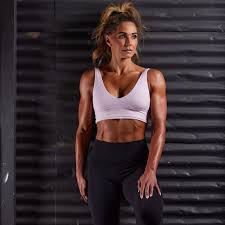

I've been in the fitness industry for over 25 years, definitely a dinosaur. If you wanna learn how to write truly great programs and understand the process properly from beginners right through to advanced trainees, and you care about getting your clients the very best results, I highly recommend you jump on Tony's Advanced Program Mastery course. It is a fantastic course. Even after 25 years, I've learned a great deal. Connecting with Tony and, um, being part of his education modules is just a no brainer. He's a great educator and you'll get a great deal out of it. Don't think about it, just do it.
I've just finished Tony's Advanced Program Mastery course and would highly recommend any other trainers in the fitness industry. Tony makes it really easy to understand all the different components that he goes in over the 10 weeks, and one of the best parts is the fact that you can rewatch it back in your own time. Make plenty of notes and also print out the notes that he has made so that you can refer back for when you're using it with your client's later.

I did Tony Boutagy's course, advanced Program Mastery after doing some of his other courses, and I could not recommend Advanced Program Mastery or any of his other courses more highly. This course I think is absolutely essential for anyone in the fitness industry, and even if you're not in the fitness industry and you just wanna learn about how to exercise more effectively, how to write your own programs in a really structured way, how to avoid injury, this course is absolutely for you. Tony is an excellent lecturer. All the course notes are there for you to access any time that you want. The video lectures are uploaded every week if you can't attend them live. The content is incredible. The customer service is incredible, and you should absolutely do this course.

I've just finished Tony Boutagy's Advanced Program Mastery, and I'm absolutely blown away. The content was fantastic. The enthusiasm in which Tony delivered the content and answered any questions we had was amazing. It was really, really valuable. A great resource for any industry professional. I've graduated with a sports and exercise science degree and I got so much out of the program, so I highly recommended for anyone, personal trainers or fitness professionals or general population alike.

My name's Sean O'Shea. I'm a coach at Performance Personal Training. I've had a lot of experience doing Tony's face-to-face courses. I wasn't stoked to be doing online, but honestly, I was pleasantly surprised. Tony's ability to deliver high quality information through the video lectures on a weekly basis, having access to those lectures again in the future, the comprehensive lecture notes that gets delivered. It really, surprised me as to how good an online course could actually be. The content as always with Tony, was second to none. I know that I definitely got my money and my time's worth, and I continue to, because I still have access to that information today. If anybody's sitting on the fence, if you're a coach out, there're thinking, oh, I dunno whether I want to do an online course or not, or you've seen so many online courses, maybe you've been burnt by one in the past. That is not gonna be Tony's course. It was the best online course that I've done. I am recommending it to anybody who asks. I highly, highly recommend it.


I recently just finished Tony Boutagy's Advanced Program Mastery Course online. Personally, I don't work in the fitness industry, but I wanted a better understanding of just programming in general, as mine is very basic at the moment. But after doing this course, I have a better knowledge o what it takes to make design a good program. I'm really looking forward to drawing up my own programs and I feel like I've got the confidence to be able to do so now. I would recommend this course to anyone who's a personal trainer or just really enjoys their training in general.
Tony's advanced program course was absolutely amazing. He's really good at discussing complex topics and breaking those down into more digestible forms of information. I feel like my knowledge has expanded tenfold. I feel a lot more confident about writing programs, and I would highly recommend the course to anyone who's in the personal training industry.
I've just completed the Advanced Program Mastery Course and after my second course, I'm still blown away with Tony. Tony is phenomenal. He has a way of delivering the very advanced concept in a very easy, simple, to understand manner. I'm always looking for best practice. My clients demand it and they deserve it. And my staff deserved me to be leading from the front as well. So undertaking Tony's courses was a way of doing that. We've learned everything about everything you want in good, solid programming, from general preparations to advanced preparation phases, cardio, energy systems, strength training, you name it, it's in this course, and it's all delivered in very easy, understandable chunks. So if you wanna step up and bring your services and or your business to world class standard, I would really highly recommend you undertake Tony's course or any other of his courses for that matter. I'm signing up for another and I can't wait for it to begin in the new year.
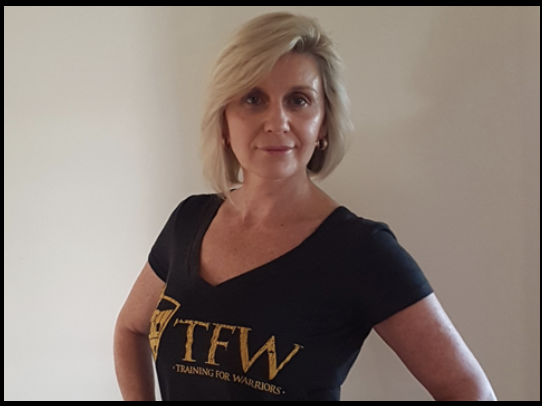

I just finished the Advanced Program Mastery with Tony. The online format made it really easy as a PT to make all the lectures and study my own time. Absolutely love that. Really made me think about how I structure my periodisation, my exercise selection. Absolutely got a lot out of it, so I'd highly recommend it to anyone. I'm looking forward to doing more courses with Tony in the future and couldn't recommend it enough.
I'm a personal trainer in the fitness industry and gym owner. I'd like to thank Tony creating the Advanced Program Mastery Course. In my 37 years as a personal trainer, I've learned a lot about program design. But never have I ever understood it with such clarity till after taking this course, Advanced Program Mastery. So once again, thank you Tony for helping me take that next level up in my career as a personal trainer. Thank you.
Tony has made the structures of program design so accessible that I not only feel very comfortable in designing a good training program, I've also decreased the time I actually need to do so by half. This course really brings everything together and covers anything from overload techniques, cardio programming, um, nutrition strength programs. Training splits, volume training, and anything you can imagine, and I'm extremely grateful I could participate in this course.
I am a personal trainer, and I've just completed. Tony's 10 week course online Advanced program Mastery. It's been amazing. Tony is a guru and he is so knowledgeable. Any question you throw at him he'll give you an amazing answer no matter your knowledge. This course is great for all levels. Really taking your coaching to the next level, the practicality of how we can implement these training tools into bettering our client's results is amazing as well. So thank you Tony, and the team. I definitely highly recommend his courses, and definitely will be studying further with him. So thank you Tony!
I've recently completed the Advanced Programming Mastery Course with Dr. Tony Boutagy. This course has taken my programming to the next level, and it has helped me to develop a much more systematic way of applying programs to my athletes from long-term programming to overload techniques and exercise selections. The information provided was of a high standard, but delivered in an understandable and applicable way. This is one of the best courses I've completed on advanced programming and training.

I think Tony's courses are the best out there in the industry. The notes are so comprehensive. Tony does a great job of blending the art and science of coaching, teaches us personal trainers, how do you write long term structured programs that get clients results and prevent injury, so you'll have way more confidence when you come outta this. In the age of social media, everyone's just picking random workouts off the internet and giving them the, to their clients, but that's not good enough anymore. Clients are getting really savvy, really smart, and it's the trainers who can write good programs that'll get better results with their clients and have them for longer. I can't recommend the course high enough. There's great examples of programs, you'll be far more confident when you finish this. You'll know when to use overload techniques. How do you combine them? How do you pair the right exercise together? How do you write programs for the week, the month, and the year ahead? If you're a personal trainer, it'll make you a better personal trainer. At least it'll make you think a lot better as a personal trainer. So, do the course. It's a no brainer for me.


It is very hard to sum up something that is so incredible and so informative. The Advanced Program Mastery 2.0 course is by far the best personal investment that I could have made for myself and my fitness career. Tony is an incredible mentor who over the nine weeks delivers such incredible, informative content, but makes it so easy to understand. 10/10 would recommend this course to anyone looking to level up in the fitness industry.

I just finished Tony's Advanced Program Mastery course, and it was really excellent. I'm not a personal trainer. I'm actually a structural engineer, so I was a little worried that I wouldn't have the background to do the course, but there was no need for that, no matter understanding level. Everything's so clearly explained and lots of thorough examples are given that you are going to understand everything that's taught to you. I feel like I've jumped years ahead in my understanding of programming. So if you wanna understand more about programming, do yourself a favor and do this course.
Coaches describe this course as the turning point — the one that separates competent from exceptional.
Program with Precision and Confidence
Join the coaches and lifters who've mastered advanced programming systems grounded in science, refined through decades of coaching, and proven to deliver results in the real world.
Grounded in hundreds of peer-reviewed studies and three decades of coaching.
Boutagy Fitness Institute
Leading education in health, fitness, and
coaching excellence.
Quick Links
Legal
Contact


© Copyright 2026. Boutagy Fitness. All Rights Reserved.